Estimated reading time: 7 minutes
Key Takeaways
- An AI agent is an autonomous system that can plan and execute complex tasks using tools and artificial intelligence—not just answer questions.
- It operates through perception, planning, and action, which sets it apart from standard chatbots.
- AI agents can adapt and learn based on outcomes and feedback, using memory and dynamic use of tools.
- There are embedded agents, persistent autonomous agents, and multi-agent systems, each with different business and technology use cases.
- Solutions such as OpenAI Astra and Manus AI Agent show how these agents are already handling real-world tasks with increasing autonomy.
Table of Contents
How Does an AI Agent Work?
An AI agent, according to experts at IBM, AWS, and McKinsey, is autonomous software that can pursue a goal, analyze what its next step should be, and execute it independently (Source). It delivers more than preset answers—it reasons, uses tools, and plans multiple actions to achieve its objectives (Source).
Most leading platforms agree that the basic operating cycle of these agents is structured into three phases (Source):
- Perception / Input: Gathers data from the user, other systems, or its environment. For example, it may receive instructions, analyze text, or extract data from sensors.
- Reasoning / Planning: Processes the gathered information, breaks the objective into manageable steps, and decides on the next action (Source).
- Action: Interacts with its environment by calling APIs, sending emails, completing forms, executing code, or retrieving web information (Source).
The major advantage over other solutions, like simple chatbots or static scripts, is the autonomy and feedback loop. AI agents can adjust their behavior based on the outcomes, developing new solution strategies in real time (Source).
Common Capabilities of AI Agents
- Task planning and decomposition: They break broad goals into specific subtasks, which can be handled in sequence or in parallel (Source).
- Memory and tracking: They keep relevant information across one or more sessions, providing context for more effective action (Source).
- Tool use: They interact with external sources, from web searches to business platforms, databases, and even running code (Source).
- Adaptation and feedback: They change their following steps based on outcomes, learning from mistakes or changes around them (Source).
- Adjustable autonomy: Ranges from agents with some human supervision to fully self-managed systems (Source).
Practical examples include assistants capable of searching for information, drafting and sending emails, editing documents, running complex processes, or coordinating work across teams (Source). A leading example is OpenAI Astra, which brings these capabilities to software development and cybersecurity. You can learn more about it in this article or its in-depth review.
Another pioneering case is the Manus AI Agent, a persistently autonomous agent; see more in this review.
Types of AI Agents
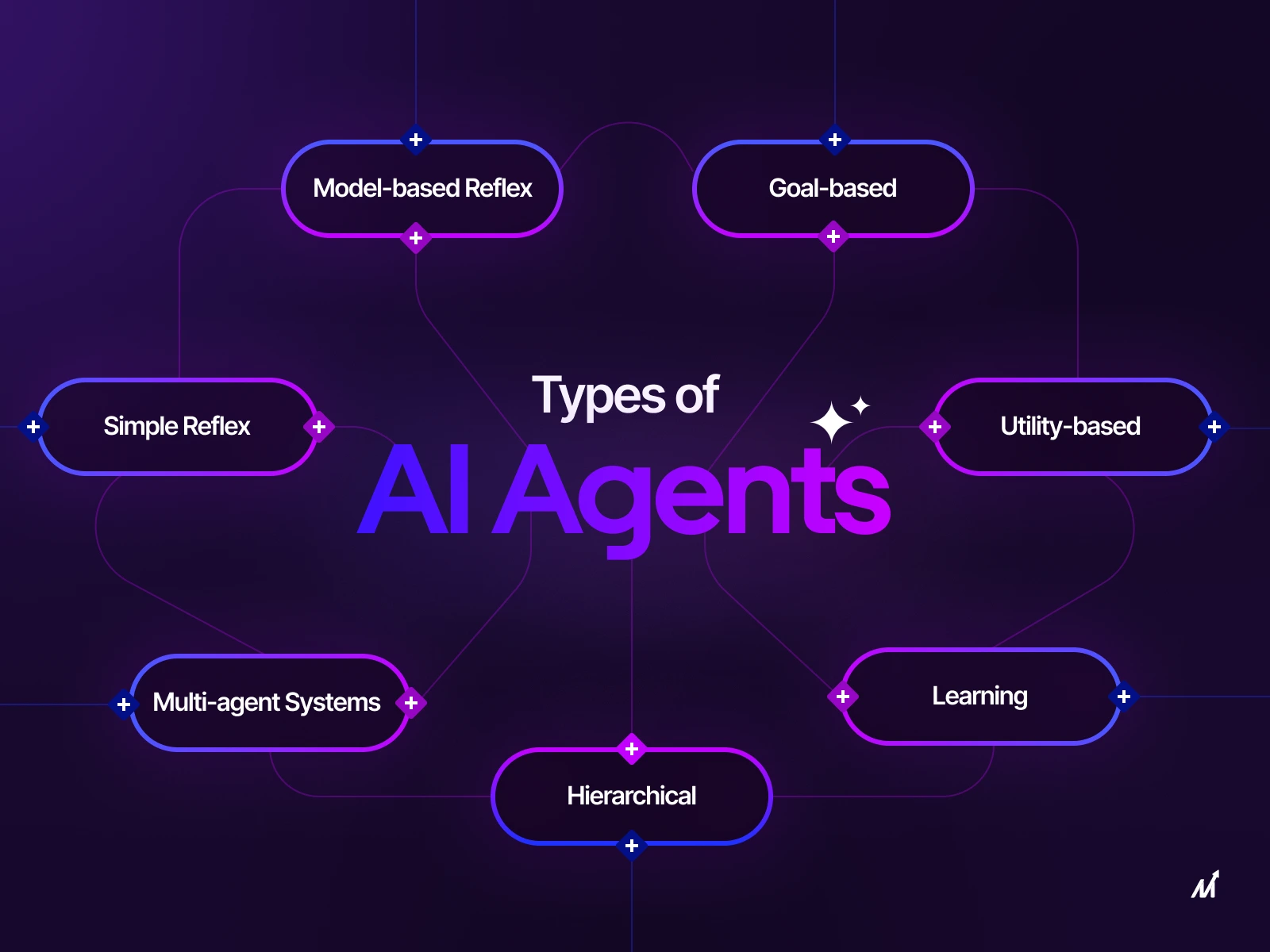
- Embedded or copilot agents: These work within a specific app or system, offering contextual support (Source).
- Persistent autonomous agents: Operate independently for long periods, managing ongoing activities with minimal oversight (Source). Example: Manus AI Agent.
- Multi-agent systems: Multiple agents collaborate to resolve complex, coordinated tasks (Source).
The term “AI agent” can mean different things in technical versus commercial contexts (Source). Generally, the more autonomy, planning, and adaptability an agent has, the closer it is to the full concept (Source).
In summary: an AI agent is an advanced tool that transforms instructions or intentions into planned actions, adapting to changing situations and going far beyond preset responses.
Frequently Asked Questions
How is an AI agent different from a traditional chatbot?
An AI agent can plan, use external tools, and adapt to outcomes, while a chatbot only replies with preset text and does not interact with other systems.
What can AI agents be used for in business?
They can automate processes, manage complex workflows, search for information, assist in software development, and optimize business operations.
Are AI agents safe to run autonomously?
It depends on their design and the controls in place. The most advanced systems set operational limits, validate actions, and log every decision for auditing.
One Response